Alex Wolf · 14 October 2026
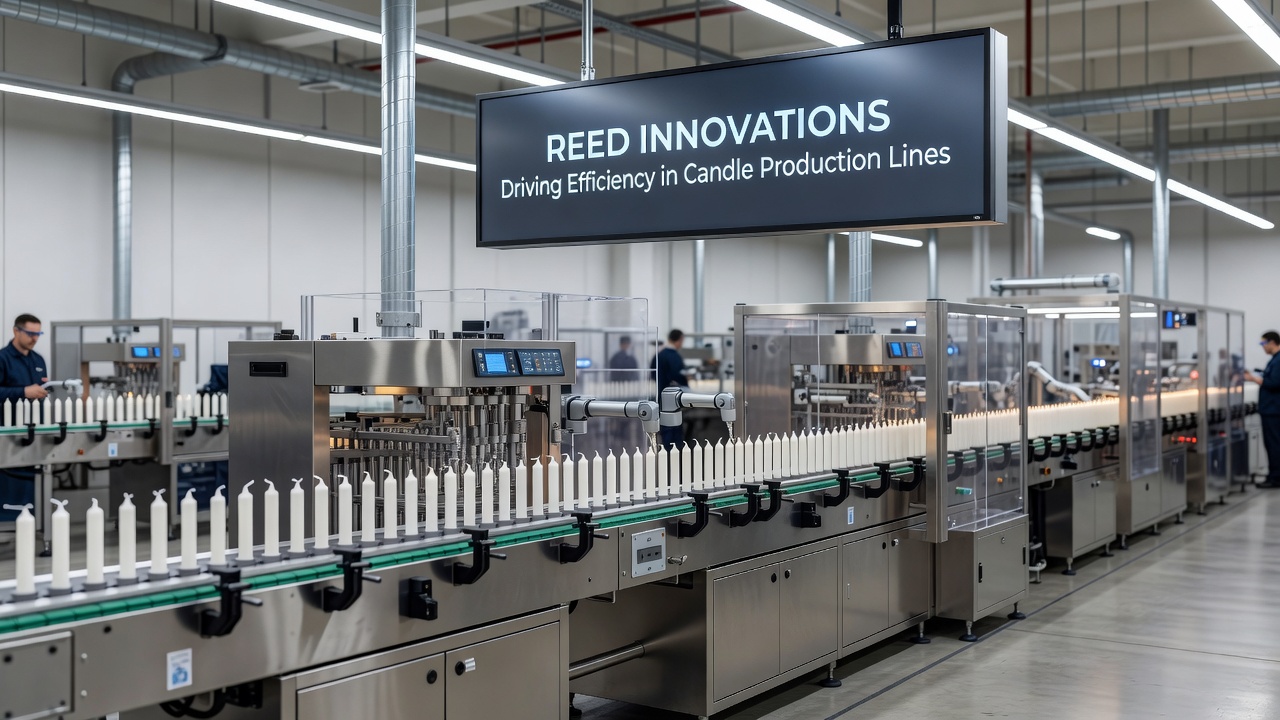
Reed Innovations Driving Efficiency in Candle Production Lines
Reed Innovations has introduced several targeted upgrades to candle manufacturing processes that focus on reducing waste and increasing throughput across multiple stages of production. These changes address common bottlenecks in melting, wick placement, pouring, and cooling phases where traditional methods often lead to inconsistencies and downtime.
Core Upgrades in Material Handling
Automated mixing systems now regulate wax temperatures within narrow tolerances while blending additives at consistent rates, and this approach cuts variation in batch quality that previously required manual adjustments. Operators monitor real-time sensor data that tracks viscosity and temperature, allowing corrections before deviations affect entire lots. Production records from facilities using these systems show reduced material loss during the initial melting stage compared with earlier setups that relied on periodic checks alone.
Precision in Wick Insertion and Pouring
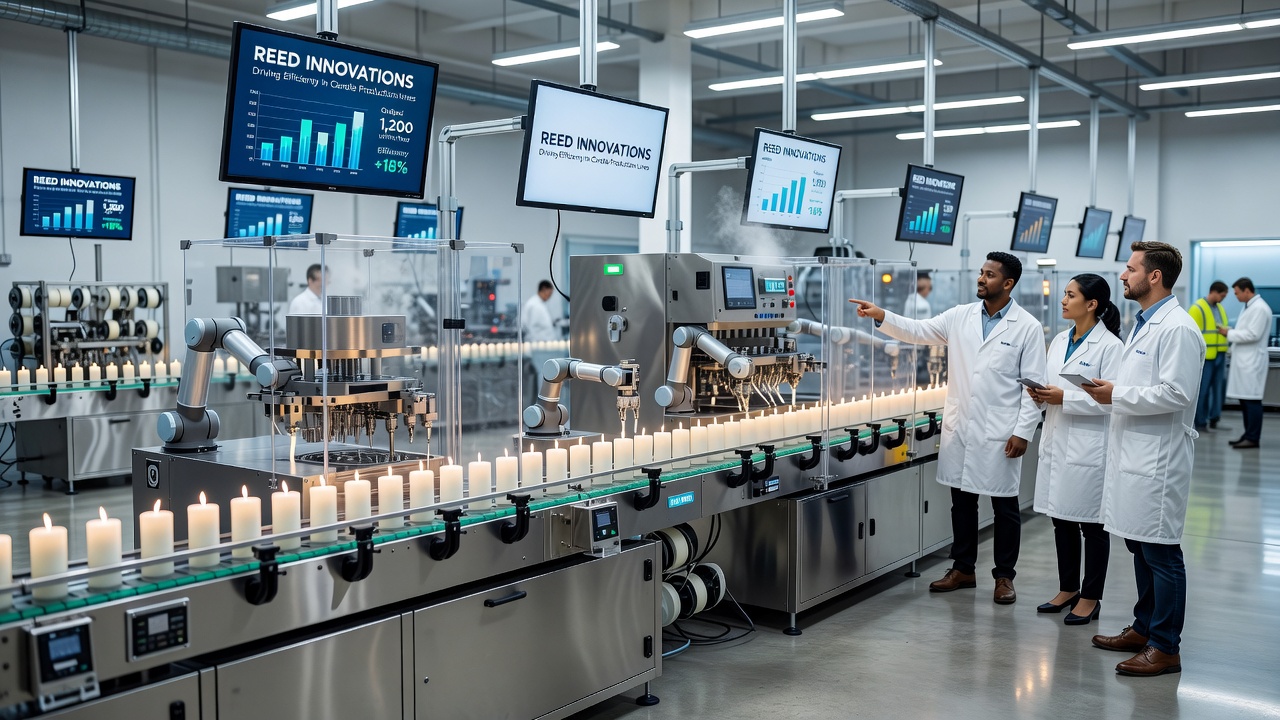
Robotic arms handle wick positioning with repeatable accuracy, placing each one at exact depths and angles that align with mold specifications. The equipment integrates with pouring stations that dispense molten wax at controlled volumes and speeds, which minimizes overflow and air pockets that once caused rework. One production line reported handling higher daily volumes after installation because the combined process eliminated separate manual steps that had slowed output.
Quality Monitoring Through Integrated Sensors
Inline inspection tools scan finished candles for surface defects and weight consistency before packaging begins, and data logs feed directly into maintenance schedules that predict equipment wear. Facilities track these metrics over time to adjust parameters without halting operations for full inspections. In October 2026 several manufacturers plan to expand sensor networks to capture additional variables such as cooling rates across different wax formulations.
Energy use per unit has also declined in lines equipped with variable-speed pumps and insulated holding tanks, since these components adjust output to match demand rather than running at fixed levels throughout shifts. Reports from industry observers note that such modifications align with broader efforts to meet efficiency benchmarks set by regulatory bodies in multiple regions.
Impact on Overall Throughput and Waste Reduction
Combined upgrades have allowed lines to process more units per hour while lowering scrap rates from trimming and rejected batches. Data collected across installations indicates that cooling tunnel optimizations, paired with the new pouring controls, shorten cycle times without compromising product standards. Maintenance teams use predictive alerts to service components during planned pauses instead of reacting to sudden failures that previously idled entire sections.
Supply chain coordination has improved as well because consistent output volumes make forecasting raw material needs more reliable, and this reduces storage requirements for both wax stocks and finished inventory. Observers note that facilities adopting the full Reed Innovations package often integrate the new controls with existing enterprise software for seamless data flow between production and logistics teams.
Implementation Patterns Observed in 2026
Adoption has followed a staged rollout pattern where initial focus stays on core melting and pouring areas before expanding to packaging and labeling stations. Training programs emphasize hands-on operation of the sensor interfaces so staff can interpret alerts and fine-tune settings without external support for routine issues. By October 2026 several mid-sized producers expect to complete these phased installations and begin compiling comparative performance data against baseline figures from prior years.
Studies from manufacturing research groups, including those referenced in reports by the National Institute of Standards and Technology, highlight similar sensor-driven approaches in other consumer goods sectors that achieved measurable gains in resource efficiency. Parallel findings appear in documentation from the European Commission on industrial process improvements that emphasize incremental automation over complete line replacements.
Conclusion
Reed Innovations continues to refine its equipment offerings based on operational feedback from current installations, with emphasis on compatibility across different wax types and production scales. The documented reductions in cycle time, material waste, and unplanned downtime provide concrete metrics that other manufacturers can evaluate when considering upgrades to their own lines. Ongoing data collection through 2026 will supply further details on long-term performance under varied production demands.